EINDHOVEN 17–25 OCTOBER 2026
ādara® Felt at Dutch Design Week 2026
A material enters design
Human Material Loop developed ādara® a new keratin protein fiber for interiors. At Dutch Design Week, it moves beyond the material sample and into furniture, objects, and space.
Roger Haan and WANDSCHAPPEN each bring their own way of making to the same fiber. Their work shows what becomes possible when designers are free to shape a new material.
When material dictates form
Design is often described through the relationship between form and function. In this collaboration, Roger Haan began somewhere else. The material itself became the starting point and ultimately dictated the design outcome.
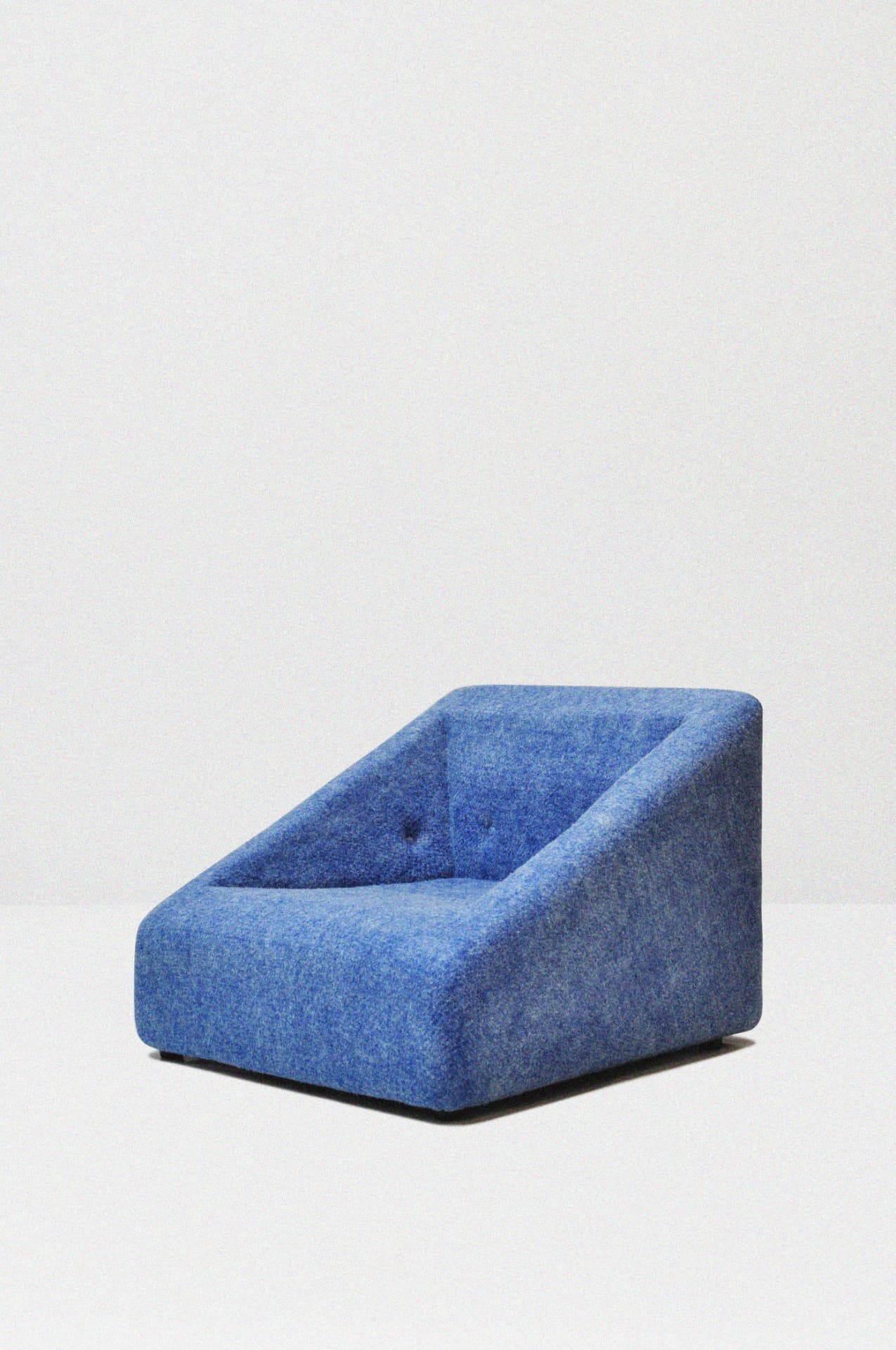
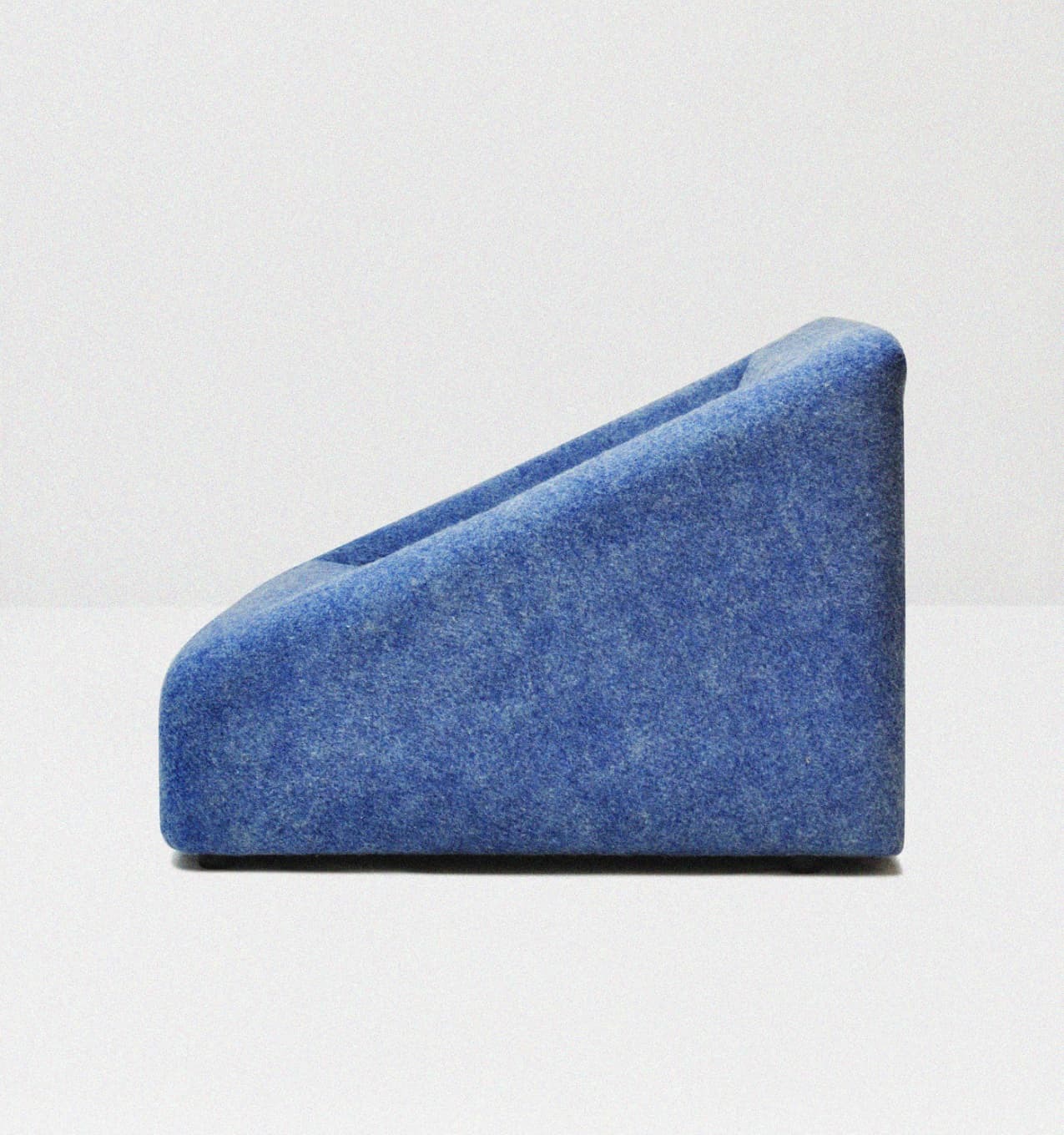
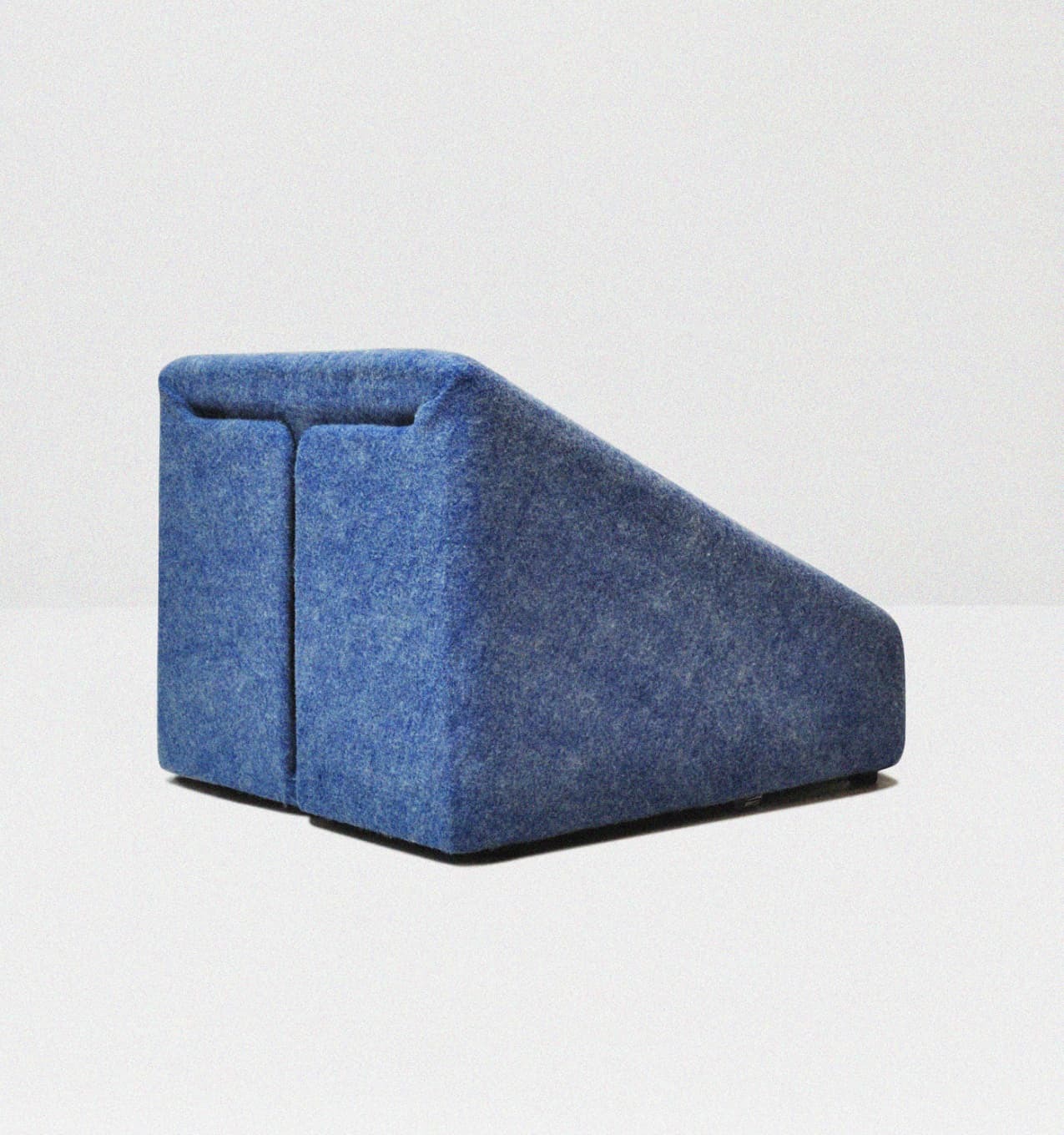
The chair presented at Dutch Design Week was designed specifically around the properties of ādara® felt. Rather than creating a form first and selecting a material to cover it afterwards, Roger allowed the behaviour, construction and possibilities of the textile to guide the development of the chair.
The result is a piece of furniture made with minimal material intervention. A single piece of ādara® fabric forms the textile component of the chair, using its construction and tension to create the relationship between the material, the structure and the body. The textile can be removed from the frame without destroying it, allowing it to be replaced, repaired or separated for recycling.
This approach also questions the conventional relationship between textile and furniture. Upholstery is often permanently attached through multiple layers, materials, adhesives and fixings. Here, the design explores how furniture can be constructed with fewer interventions, while allowing the textile to remain identifiable and separable as a material in its own right.
The chair therefore became an exercise in designing with what was already there. Instead of asking the material to adapt to a predetermined object, the object was developed around the material.
For Human Material Loop, this is precisely what it means to place ādara® in the hands of designers. The fiber does not arrive with a fixed aesthetic or prescribed application. Its properties can become parameters for the design process itself, leading to forms and methods of construction that might not have existed without the material.
Roger Haan is a Dutch interior architect, designer and upholsterer whose practice begins with a simple question: what makes a piece of furniture work?
His understanding of furniture comes from taking it apart. By carefully dissecting, reconstructing and reinventing existing pieces, he studies the structures, layers and decisions that are often hidden beneath the surface. Centuries old upholstery techniques sit alongside contemporary materials and production methods, creating a practice in which making and designing are inseparable.
For Roger, furniture is a system in which structure, textile, tension, comfort, assembly and repair are connected. Understanding that system allows him to question which elements are necessary, which can be reconsidered and how furniture can be made differently.
His work combines the precision of an architect with the knowledge of a maker. This approach allows him to design furniture from the inside out, with the ambition to create objects that can be maintained, adapted and appreciated over time.
The chair can be ordered as an armchair, love seat or extended seating system in different colours of ādara® Felt. For orders and custom configurations, contact Roger through Zachte Zaken ↗.
A familiar form, a new material
WANDSCHAPPEN is the Rotterdam-based practice of Nicole Driessens and Ivo van den Baar, who have worked together since 1999. Positioned between art, Dutch design and craftsmanship, their practice is known for transforming familiar materials and objects into works that question how we live, what we value and how we relate to our surroundings.
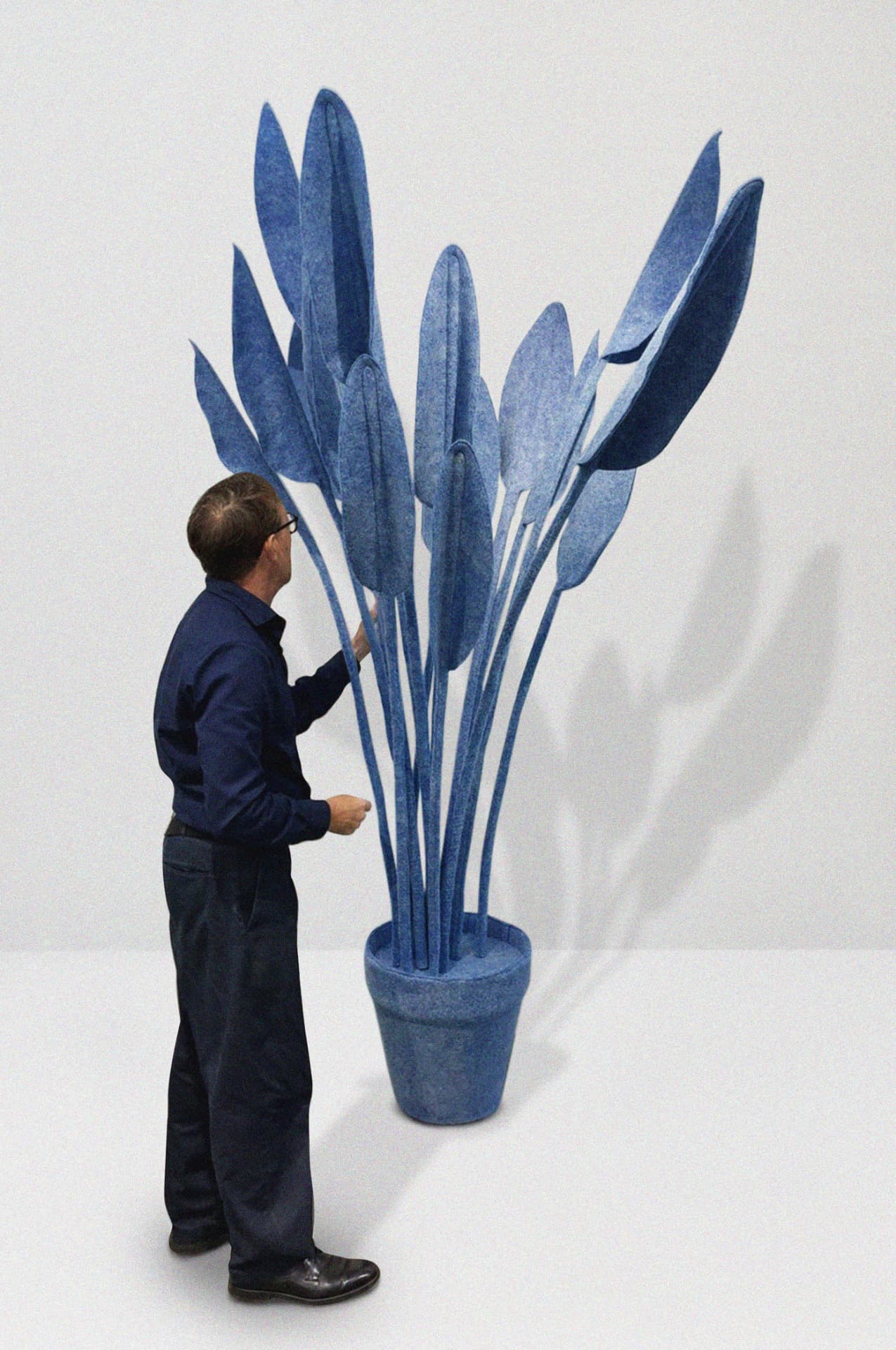
The Felt Plant Series has been a defining part of WANDSCHAPPEN's practice since 2009. What began with nine black felt plants created for the windows of a Rotterdam gallery has developed into an ongoing collection of meticulously constructed textile sculptures.
The series takes the familiar houseplant and reconstructs it entirely in wool felt. Behind the apparent simplicity is a reflection on home, migration and belonging. WANDSCHAPPEN observed how plants appearing behind windows often signal that someone has begun to make a place their home. The plant becomes more than decoration. It becomes an expression of settling, caring and belonging.
Over time, the Felt Plants have become one of the most recognisable expressions of WANDSCHAPPEN's work, occupying a position between art, design and craft. The collection ranges from domestic objects to monumental sculptures several metres high and has been presented internationally through galleries, design fairs, exhibitions and commissioned interiors.
From wool to ādara®
After more than fifteen years working with wool felt, WANDSCHAPPEN now makes its familiar plants with ādara® Felt. A form they know intimately reveals the differences in how this new fiber feels and behaves.
The plants are available to order in different sizes, forms and colours, from individual objects to larger installations. For commissions and custom work, contact WANDSCHAPPEN ↗.
What comes next
The blue mélange presentation lets ādara® move across furniture, objects and space. It is not a prescribed application, but an invitation for designers and architects to work with the fiber and take it somewhere new.
Thank you to the Dutch Design Foundation, our team, collaborators and production partners for bringing ādara® to Dutch Design Week.