By Máté Bikkes | May 25, 2026
The Material Is the Message — How Surface Choices Shape Spatial Experience
The materials used in a space can influence the way we experience that environment. And the way you feel can be designed.
The materials used in a space can influence the way we experience that environment. This assumption may go uncontested, yet very few of us ever stop and ask: how would I feel if that wall wasn’t covered but instead was pure concrete? Would the temperature I feel or the way sound travels in this room be any different?
The answer, to the latter at least, is yes. And the way you feel can be designed. In marketing this is what’s called atmospherics: the conscious design of a retail environment to influence emotions and, hopefully, from the company’s perspective, drive sales. By involving sensory elements (lighting, music, scent, and our focus, materials) a space can enact certain states — it can make you feel warm and cozy, or speed up your consumption process (think of McDonald’s cold restaurants with criminally uncomfortable chairs).
A space can be inviting (or the opposite)
Especially as non-architects, we prioritise the natural and sensory aspects of a space as opposed to its design. [1] So what are these factors impacting these natural and sensory dimensions?
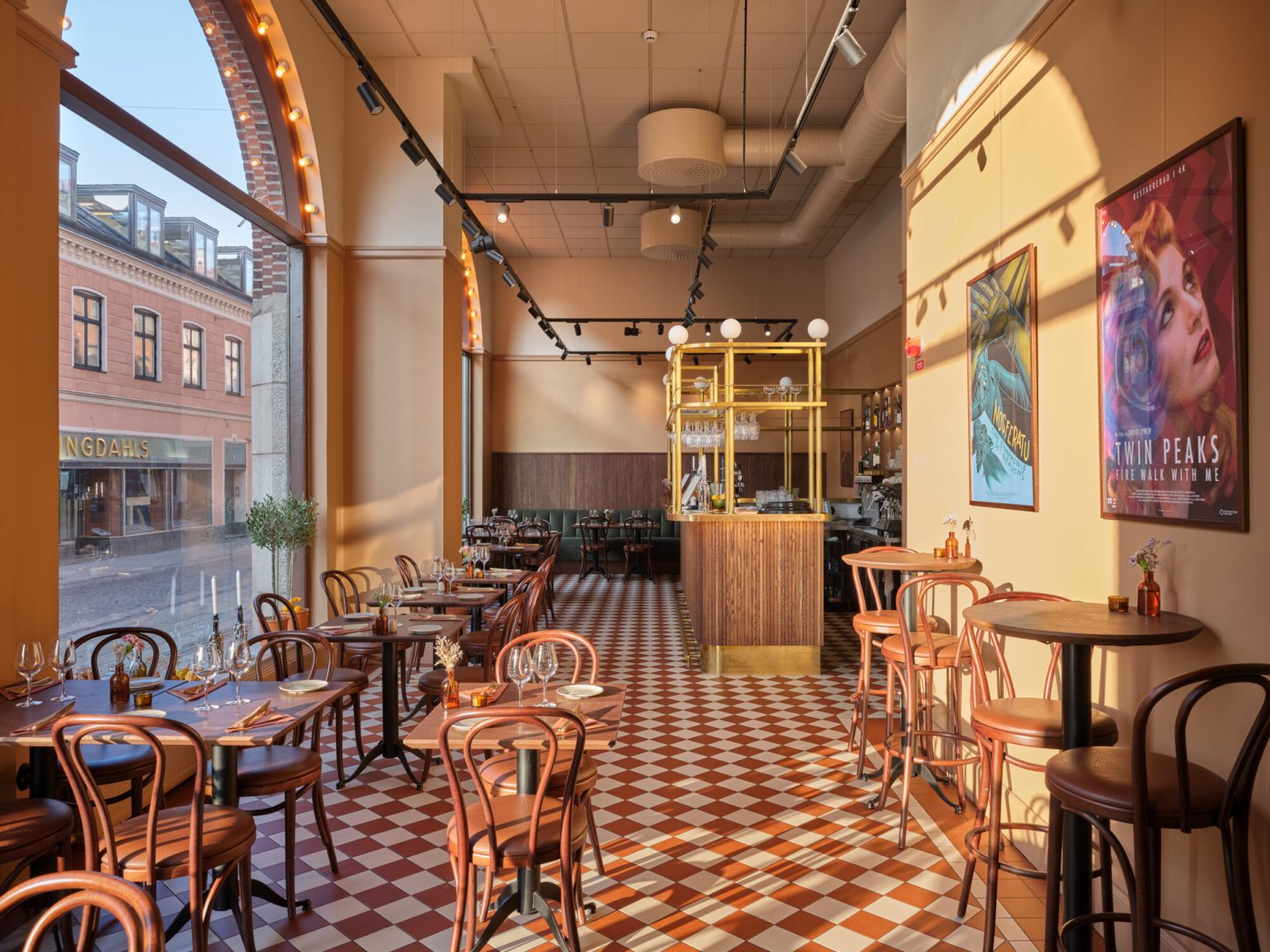
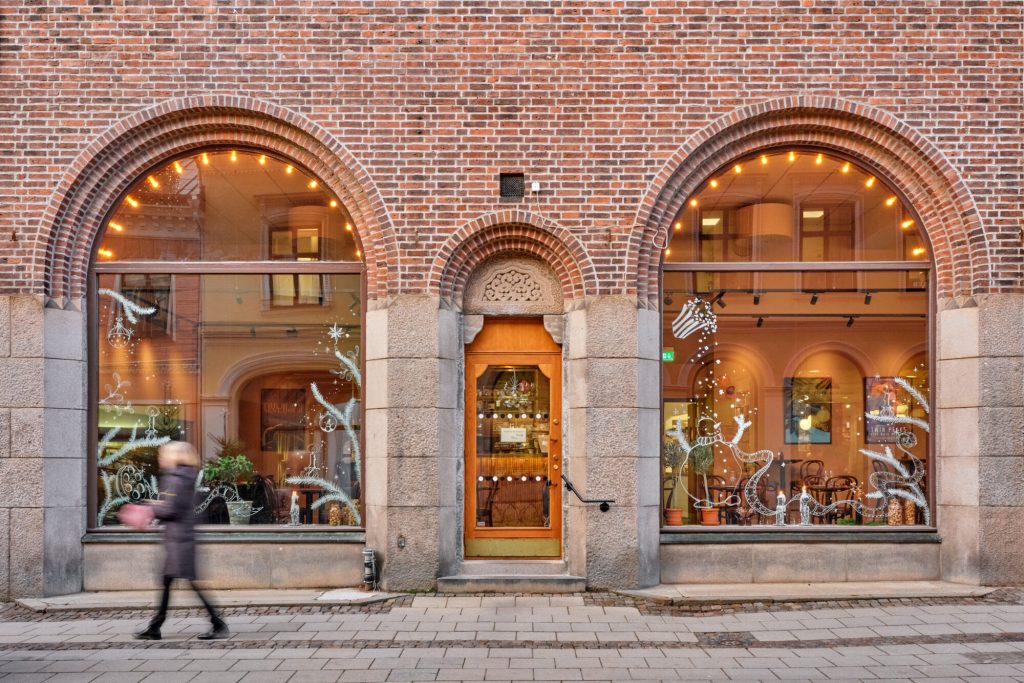
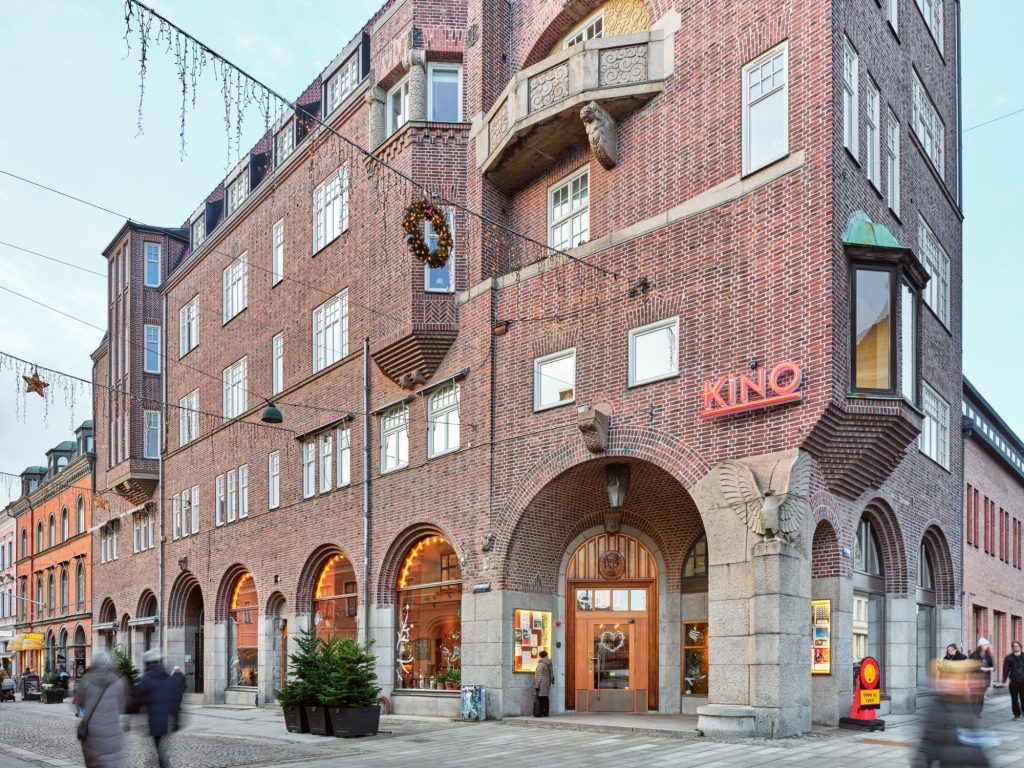
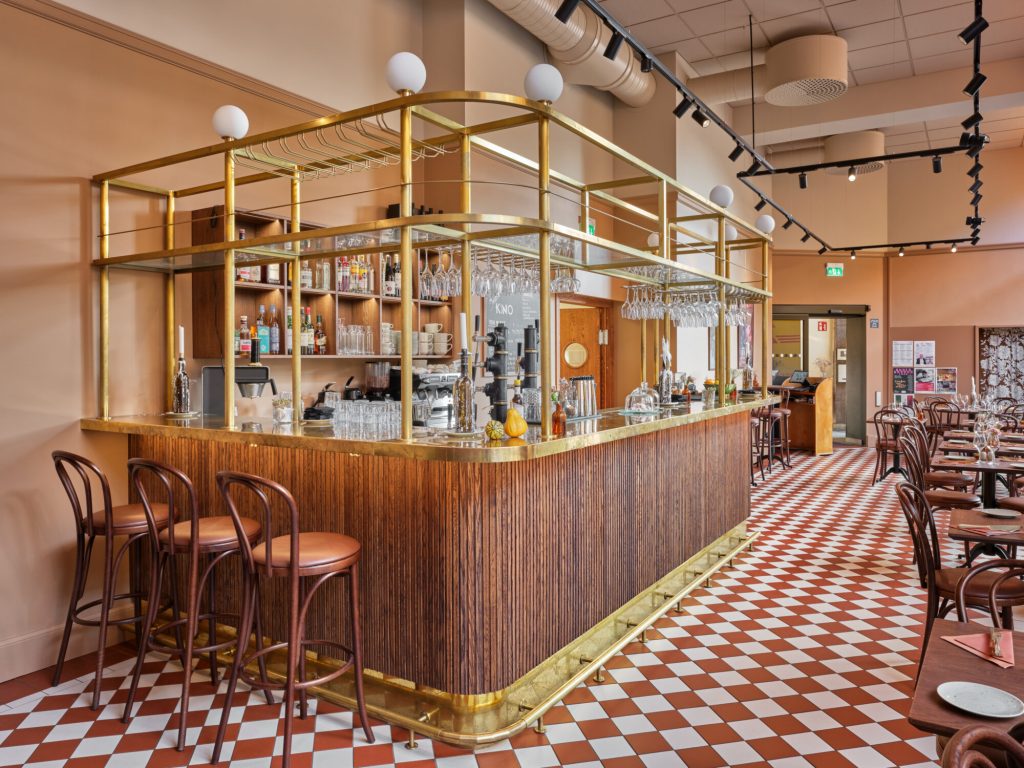
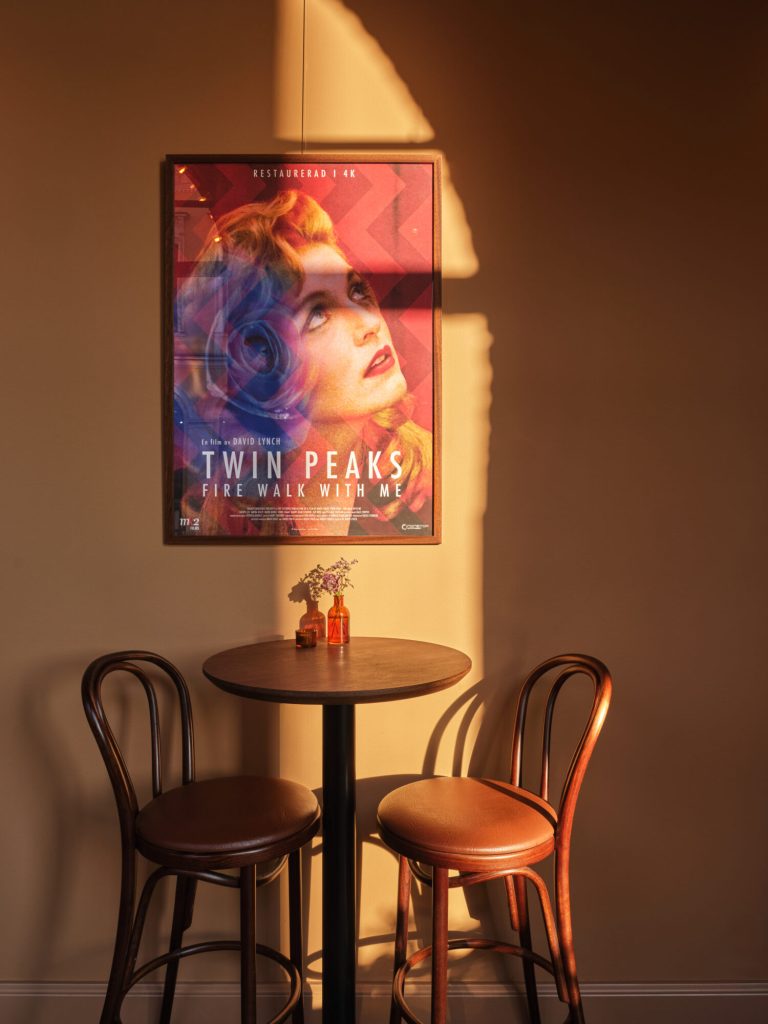
Let’s take a look at how materials, their look and tactility, impact perception first. Wood and red brick have been shown to promote relaxation and make a space inviting. [2] So when FOJAB re-designed the interior for KiNO, a small cinema that’s part of the Europa Cinemas network in Lund, Sweden, they knew exactly how to use textures, patterns, and materials to create the coziness Lund, but the renewed KiNO especially, is known for. Inspired by the Art Deco, FOJAB re-imagined the former home of a commercial bank with shuttered windows and privacy as open and warmly inviting, breaking the strict barriers between the street and the interior. Inside, soft tones and natural materials foster a sense of community. [3,4]
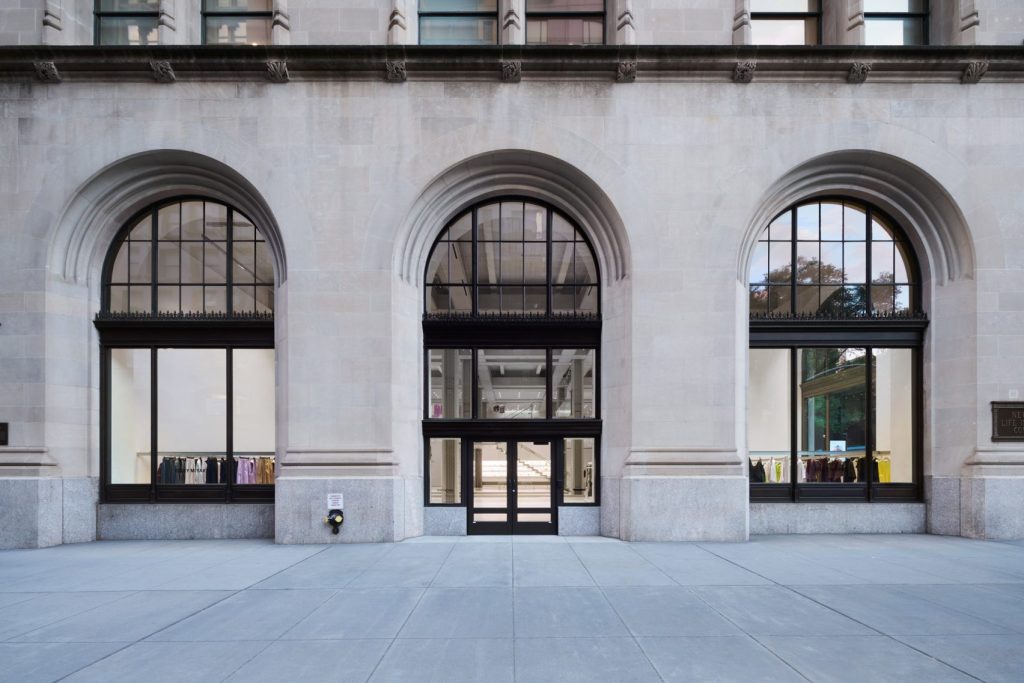
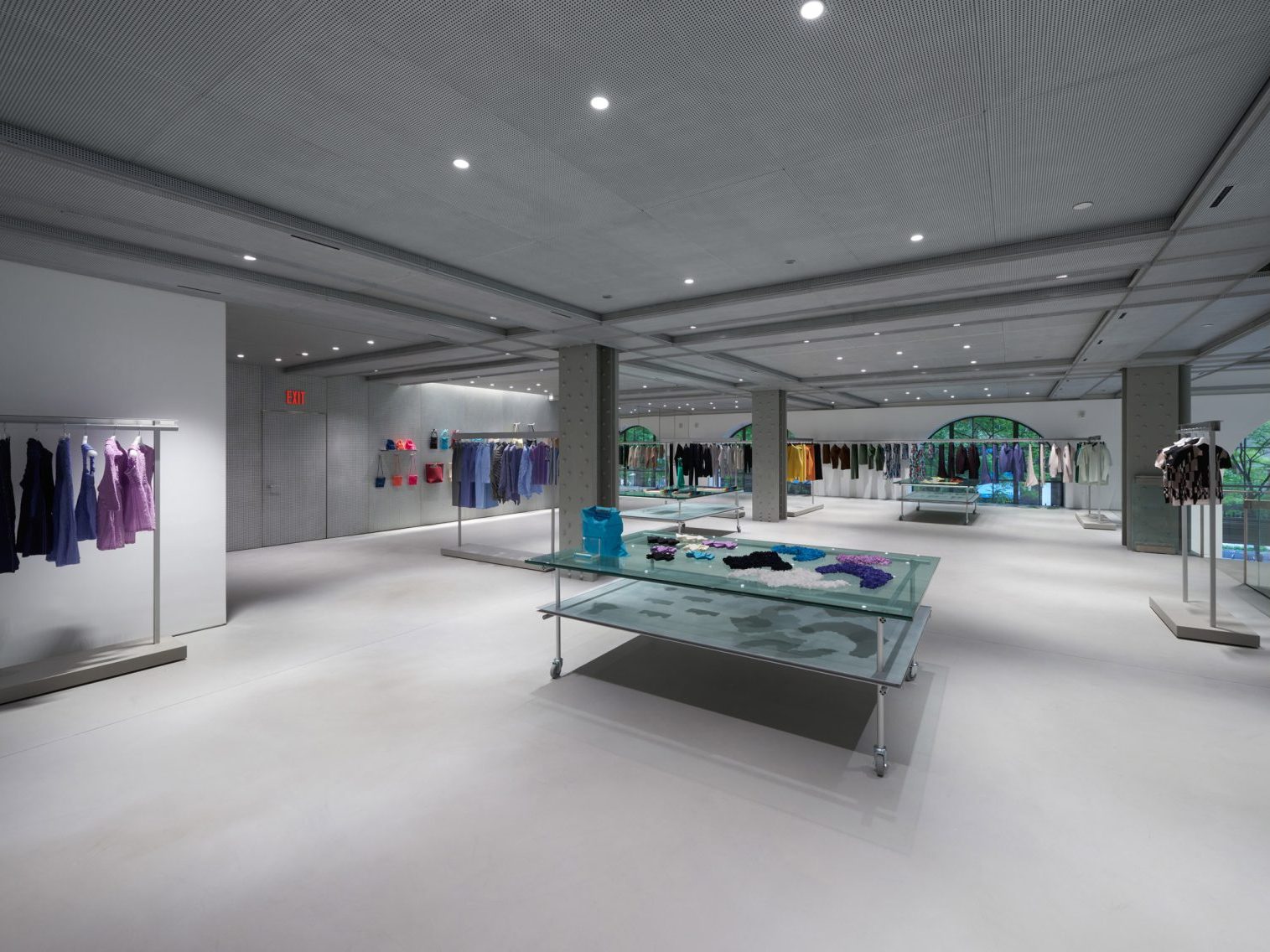
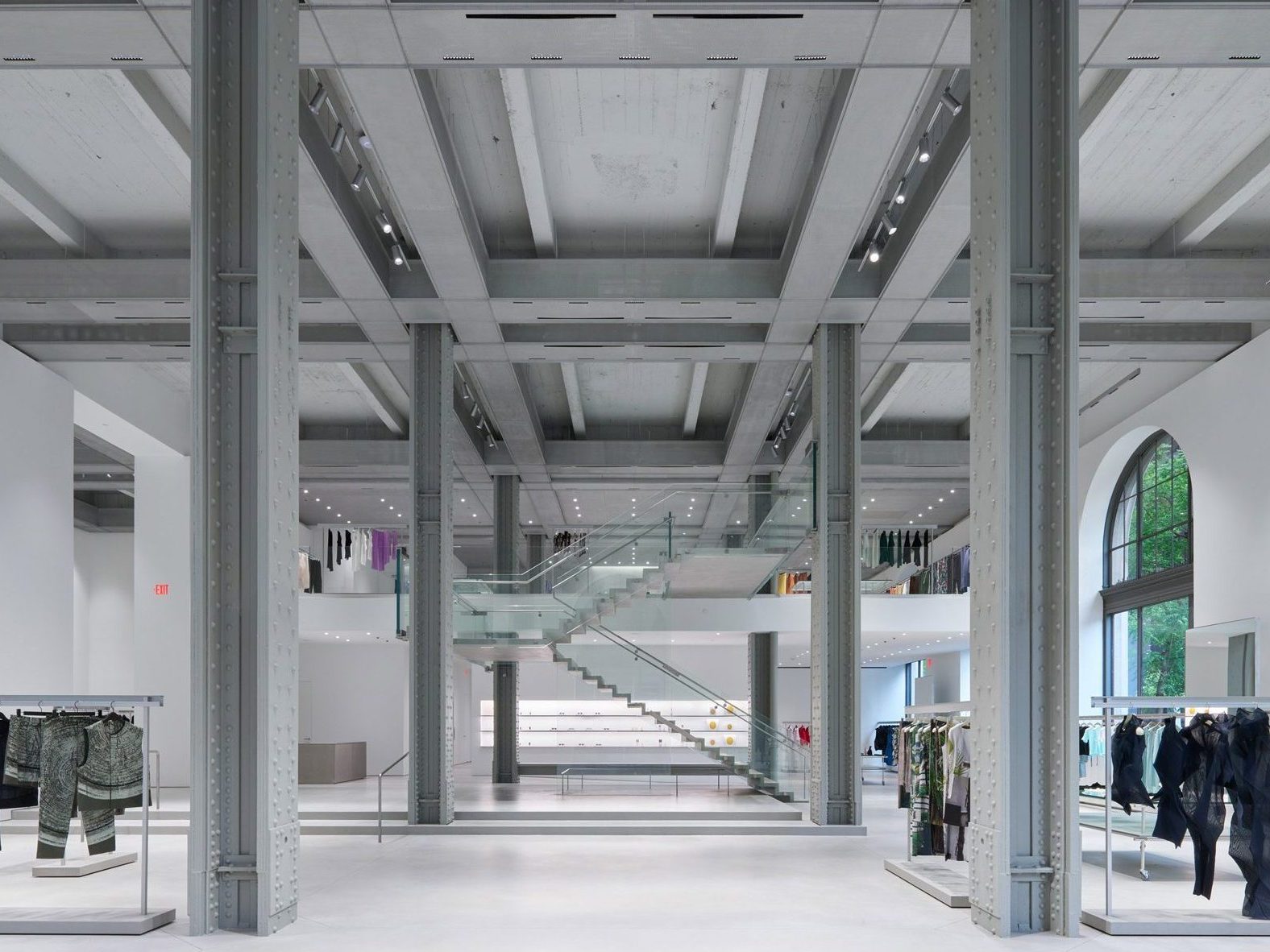
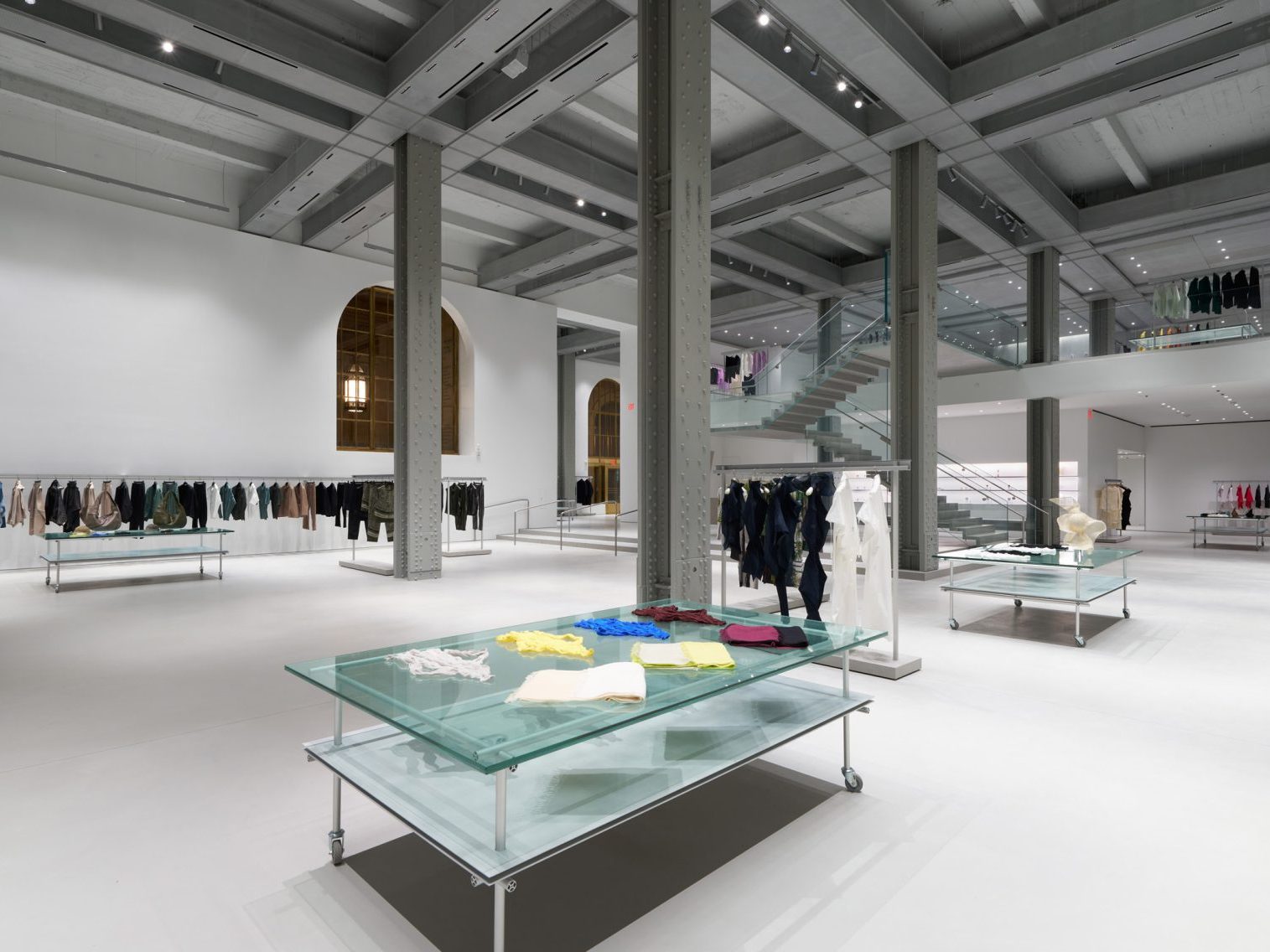
Let’s put that in contrast: the newly opened Issey Miyake flagship store in New York, designed by SO-IL in a neo-gothic style, conveys cleanliness, precision and audacity. The building is equipped with similar arched windows to those of KiNO, yet, due to the material choice — concrete — the spaced-out inventory, and the use of cold lighting, the space becomes what needs to be conquered — its openness becomes a threat, its simplicity becomes repulsive yet, strangely, inviting, and safety is provided by the inventory strategically placed close to windows, walls, and beams where people can enjoy browsing, while avoiding the emptiness in the middle. (These processes can be explained by the Prospect-Refuge Theory from evolutionary psychology, which puts forth that people prefer spaces that offer a combination of “prospect” — a clear view of surroundings and resources — and “refuge” — a safe, enclosed place to hide.)
Noisy spaces
The choice of material also has a huge impact on how a space sounds. This is due to the differences between how much of the environmental noise is absorbed or reverberated from surfaces. In home settings these can be controlled fairly simply. Moving into a new apartment may feel empty (literally and emotionally) as the place still sounds like a gallery, but once it’s equipped with soft sofas and rugs, bookshelves and decorations are added, noise gets absorbed and reverberation gets disrupted, making the place feel soft, enclosed, and private. [5,6]
Controlling noise levels, however, becomes crucial in communal architecture. Although buildings, by nature, can signal the need for keeping the environment quiet (like a library or hospital), shared spaces can lead to the incremental increase in volume. This is due to the involuntary tendency to increase our speaking volume as a factor of the perceived loudness of an environment, known as the Lombard effect. It goes like this: we have a chat in a noisy environment, so we increase our volume and so does everyone else, making the environment even louder, which in turn makes us speak louder, which in turn…and the story goes. Funny enough, not only humans do this, highlighting our not-so-uniqueness, and this is true for the previously mentioned Prospect-Refuge Theory too. But, interestingly, and to my best knowledge, other life-forms rarely build sophisticated buildings that can impact (behaviourally or acoustically) the perceived noise levels inside.
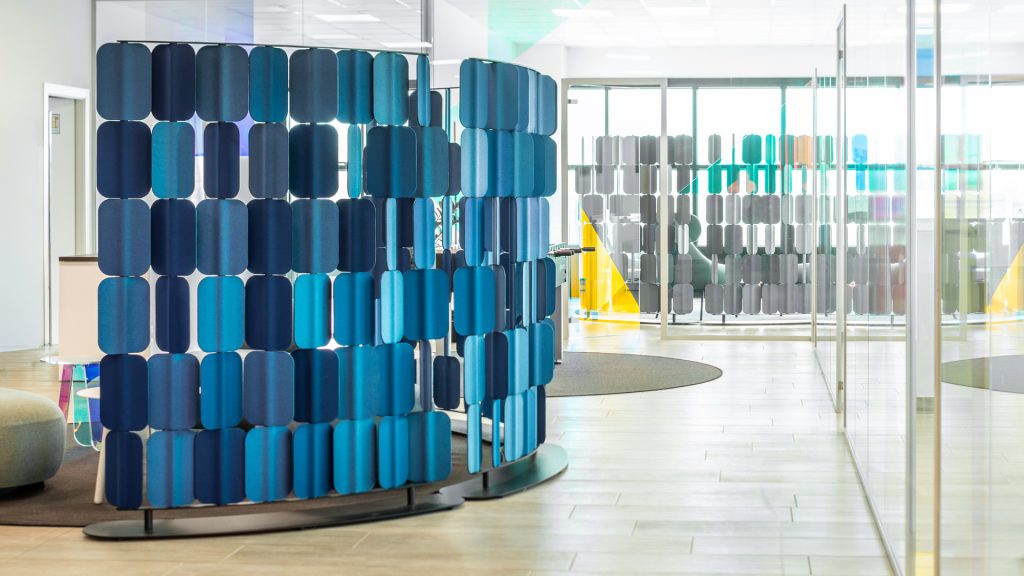
How is noise controlled on a more advanced level, for example, in an office? In short, in numerous ways. Companies like Baux, Casalis®, or true, offer a range of acoustic solutions from wall-mounted panels through free-floating privacy screens to noise-minimising curtains. What’s common between these are the chosen materials: those that absorb sound. But let’s not forget about how design makes one feel, which is especially important in the case of privacy screens and curtains. Of course, no one believes that a curtain will significantly reduce the noise level, but what it does instead is fragment the space. Building these (literal but mostly psychological) walls between, in our case, colleagues, makes the space occupied by individuals or groups feel more private. Recall, again, the Prospect-Refuge Theory. A similar thing happens when you put a simple KALLAX shelf from IKEA between your bed and the kitchen in an open floor plan. By dividing the space, you designate these areas for different purposes.
Putting it all together
So what’s the message to take home? Mainly that the choice of materials is not merely a decorative one, but a behavioural one too. Recall our previous article on Stripes, and how they can be utilised to impact the experienced size of a space. I assume that all of us have a person in our social circle, who, upon seeing a design or an art piece, remarks: “Oh, a ten-year-old can make it.” Can he? Maybe a really talented one. But what this friend overlooks is the process, the deliberation, and the immense research that goes into a design from choosing its shape, colour, and, of course, the material it’s made of, all of which are choices that are aligned with its functionality, the feeling it wants to evoke, and the behaviour it wants to drive. Seeing the final product just makes thinking about these too abstract and painful — but these choices are at the core of virtually everything ✻
About the author
Máté is the communication strategist at Human Material Loop. He joined in 2025 as an intern, then still studying in Sweden, and after graduation, he joined the Team in the Netherlands full-time. Trained in consumer research and economics, Máté combines his love for understanding what drives people and society to help make the story of Human Material Loop impactful