By Deniz Altindag | September 14, 2026
The Fabric of Atmosphere – How Textiles Shape the Way We Experience Space
How textiles shape architectural atmosphere through light, sound, touch, movement and memory.
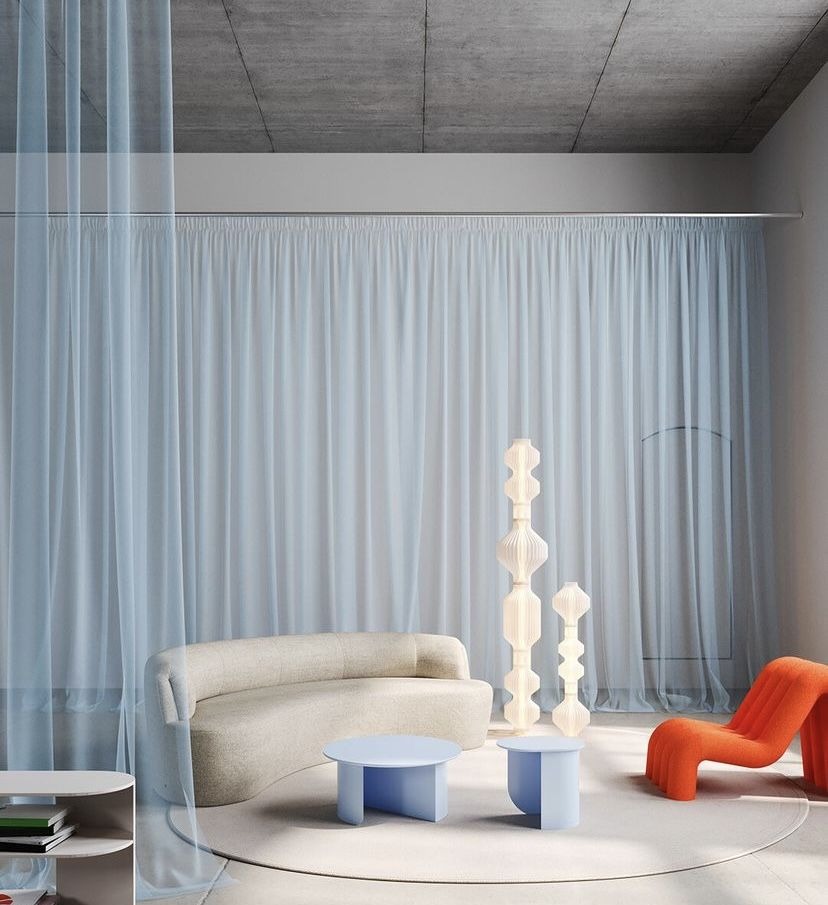
Before we understand architecture, we often feel its atmosphere. Anyone who has ever stepped into an empty home knows that something essential is still missing. The walls are already standing. The windows frame the same landscape they always will. The proportions remain unchanged. And yet the space feels strangely unfinished.
Only gradually, when curtains soften the light, rugs absorb sound, and fabrics begin to inhabit the room alongside us, does the space acquire another quality. It no longer feels simply built. It begins to feel lived.
Perhaps this transformation is often misunderstood. We tend to describe it as furnishing an interior, as if textiles merely decorate an already completed architecture. But what if textiles are not additions to space? What if they are among the very materials through which architecture becomes experience?
This distinction changes how we think about the built environment. Materials do not simply define how buildings look. They influence how spaces are sensed, remembered, and used. A room is never experienced through vision alone. Before we consciously analyse an interior, our body has already begun reading it through temperature, acoustics, texture and movement.
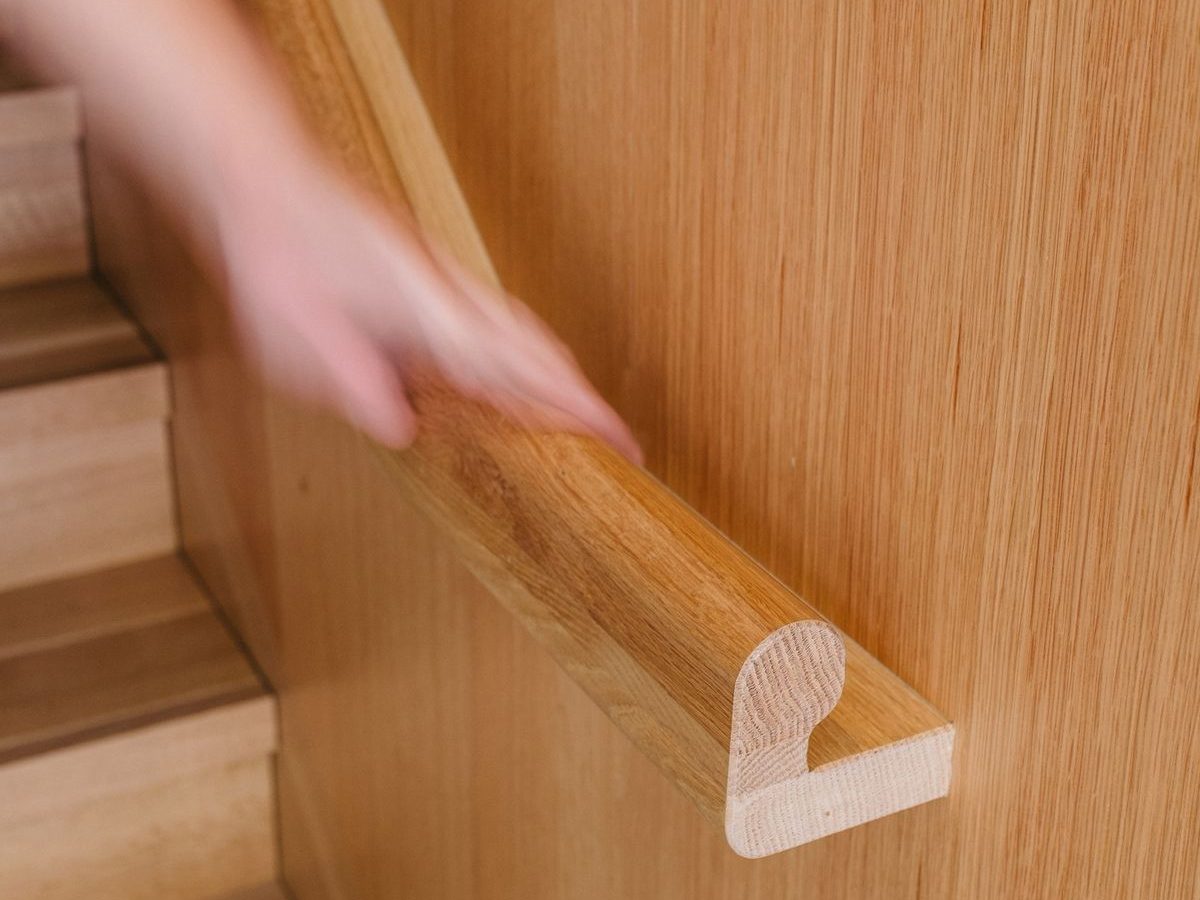
Finnish architect Juhani Pallasmaa repeatedly reminds us that architecture is fundamentally a multisensory encounter. We do not merely observe buildings. We enter into a dialogue with them through the entire body. The texture of a wooden handrail, the coolness of stone beneath bare feet, the softness of woven fibers, or the muted sound of a carpeted room all become part of architectural perception. In The Eyes of the Skin, Pallasmaa argues that contemporary architecture has privileged vision at the expense of the other senses, reducing buildings to images rather than lived experiences. Yet architecture has never belonged only to the eye. It belongs equally to the hand, the ear, and memory.
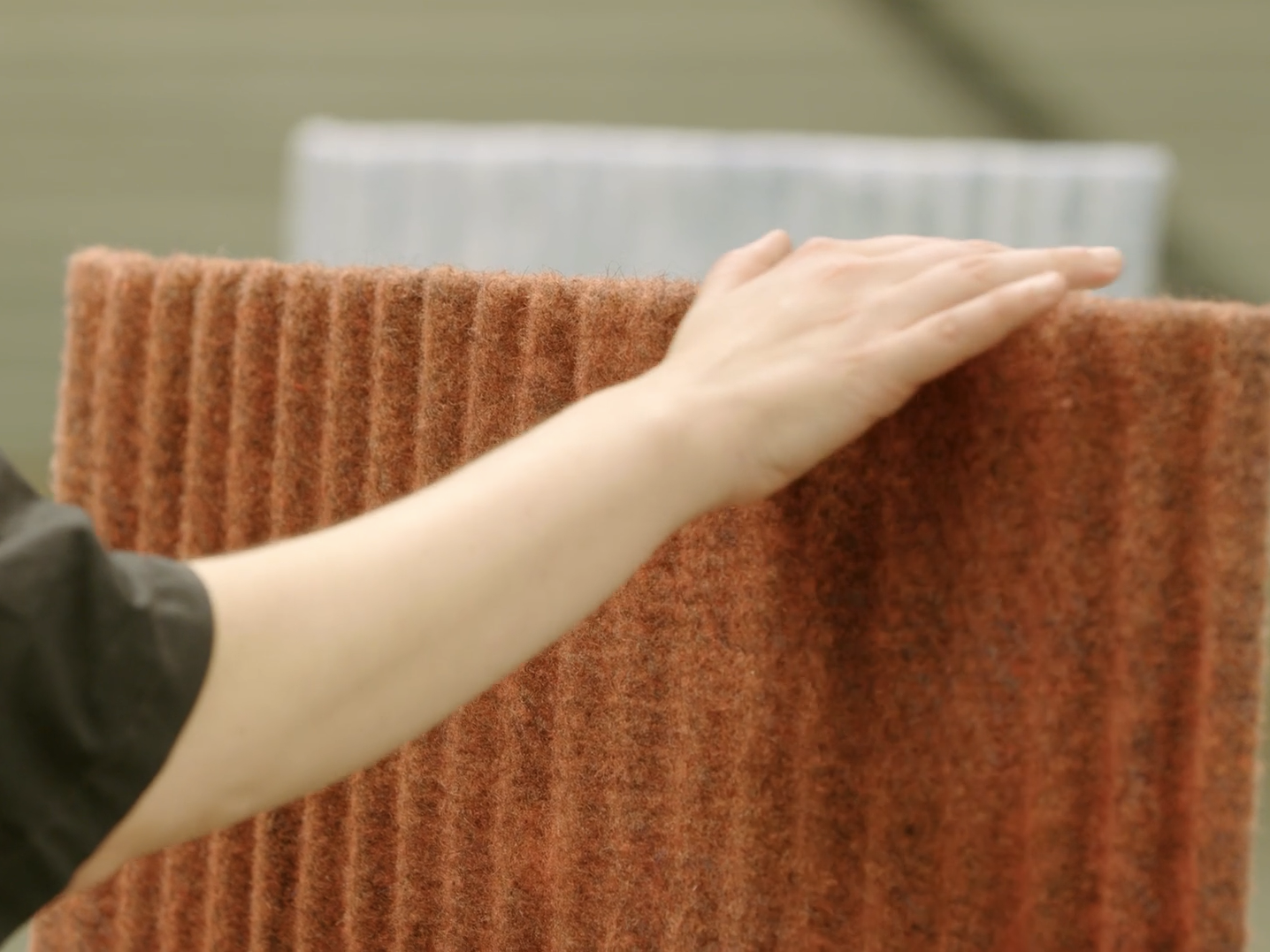
Textiles participate in this multisensory conversation with remarkable subtlety. Unlike structural materials, they remain flexible, capable of changing seasonally, culturally, or even daily. A curtain transforms light without rebuilding a wall. A rug changes acoustics without altering structure. Fabric allows architecture to evolve without erasing what already exists. Why, then, have materials that are so closely involved with bodily experience often been regarded as secondary elements of the interior?
Part of the answer lies in the changing material priorities of modern architecture. In many earlier interior environments, textiles were closely integrated into everyday spatial life. Carpets, curtains, cushions, woven partitions and floor coverings could influence comfort, movement and privacy. From the 1920s onward, as modern architecture developed, architectural thinking increasingly focused on structural clarity and industrial production. Textiles did not disappear from architecture during this period, nor did modern architecture necessarily reject them. Instead, their position within the hierarchy of architectural materials began to change. Materials associated with structure and permanence became central to architectural discourse, while textiles were increasingly positioned as movable, replaceable, and therefore secondary.
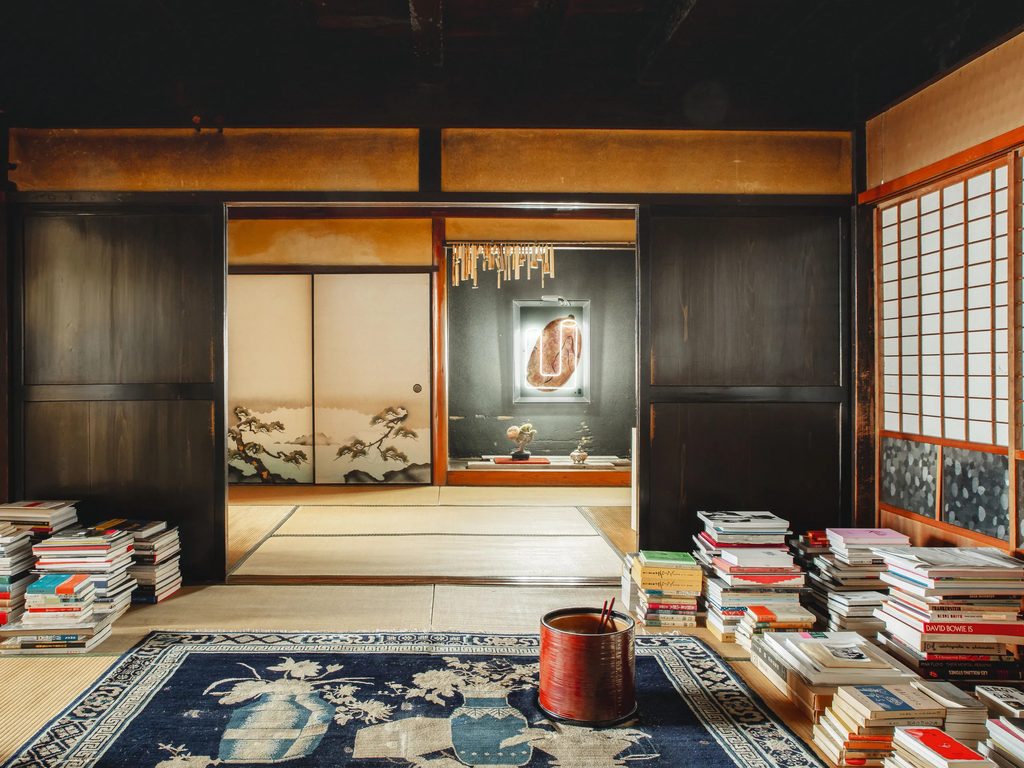
Traditional interiors reveal a different relationship between textiles and space. In the traditional Japanese house, tatami mats, woven surfaces, and translucent shoji screens are not simply decorative features. They participate directly in the organisation of space. Tatami establishes a bodily scale and influences where people sit, move, and gather. The floor becomes an active part of everyday life rather than a neutral surface beneath furniture. Shoji screens can separate spaces while maintaining a degree of visual and atmospheric continuity. They filter daylight, control visibility, and allow rooms to be reconfigured according to different activities. The material does not simply occupy the architecture; it helps determine how the architecture is used.
A similar relationship can be found in many traditional Anatolian houses. Carpets and kilims transform the floor from a structural surface into a social and lived one. Their placement can distinguish areas for different daily activities without requiring permanent partitions. Cushions and other textiles allow the arrangement of bodies to change according to the activity taking place. Curtains and woven surfaces can regulate the atmosphere by changing light and acoustic conditions. A room can therefore accommodate different forms of occupation without changing its permanent structure.
When we look at how these materials organise everyday life, the idea of soft architecture begins to emerge. Soft architecture describes a form of spatial organisation in which materials can establish boundaries, territories, comfort, and relationships between bodies without becoming permanent components of the building. Textiles are particularly suited to this role because they are flexible and movable. They can be folded, opened, closed, removed, rearranged…
Their flexibility is therefore not simply a practical quality. It is an architectural one.
We often describe architecture through walls, roofs, structures, and surfaces. Yet architecture is also shaped by materials that organise how bodies move, gather, rest, listen, and interact. Textiles demonstrate that spatial boundaries do not always need to be rigid or permanent to have architectural consequences.
Perhaps the more useful question is not whether textiles belong inside architecture, but how much of our experience of architecture depends on materials that remain close to the body.
About the author
Deniz Altindag is an architect and PhD researcher at Universitat Oberta de Catalunya in Barcelona. Her research explores creative-critical mapping, storytelling, spatial memory, and the relationship between play and space. She is also the co-founder of Light and Memory: Art, Design Education & Research Lab and a member of the Advisory Board at Play England. Her work brings together architecture, design, education, and creative research to explore how spaces shape memory, experience, and everyday life.